
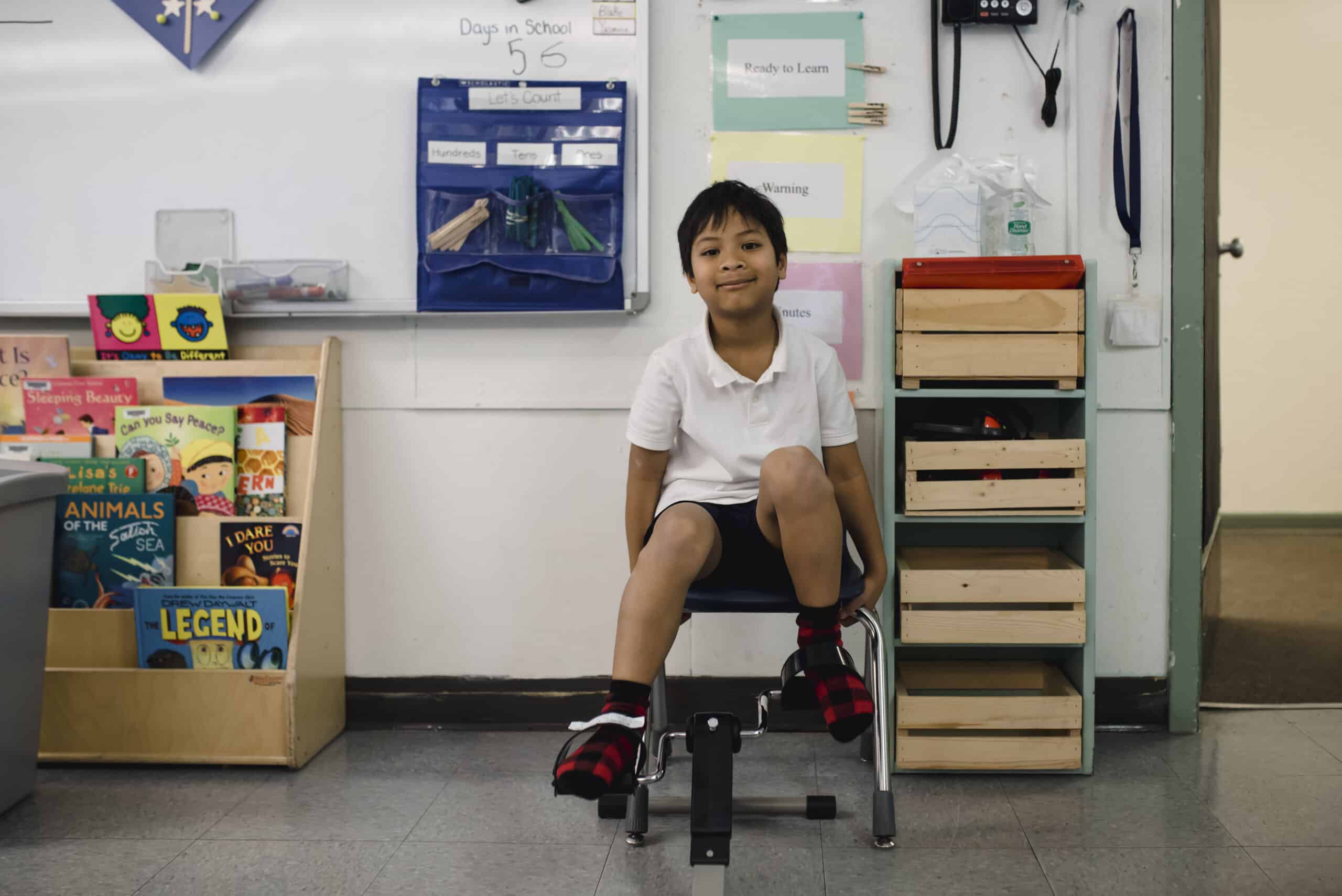
Starting a new school can be both exciting and overwhelming, especially for neurodiverse children. Whether your child is on the autism spectrum, has ADHD, or experiences learning differences, transitions often come with big feelings, uncertainty, and challenges. As a parent, you play a key role in setting the tone for a successful shift.
At Kenneth Gordon Maplewood School (KGMS), we specialize in supporting students with diverse learning needs. That’s why our counsellors and developmental specialists have compiled these evidence-based strategies to help your child feel safe, supported, and confident during the transition to a new school environment.

1. Start Early & Plan Gradually
Neurodiverse students thrive on structure and predictability. Starting early helps reduce anxiety and creates a smoother transition.
Tips:
- Begin conversations about the new school weeks—or even months—in advance.
- Schedule quiet, low-pressure visits to the school to explore the space.
- Introduce your child to key people like their teacher, support staff, and office administrators.
- Create a visual countdown calendar to build anticipation.
- Make it fun! Let your child pick their own backpack, school supplies, or lunchbox.
2. Use Visual and Storytelling Tools
Many neurodiverse learners understand best through visuals and narratives. Leverage tools that help explain what to expect.
Tips:
- Build a social story or visual guide using photos of the school, classroom, playground, and staff. Check out this resource.
- Read books or short stories about starting school.
- Watch kid-friendly TV episodes about going to school to spark conversation: See this list.
- Review your visual guide daily to create a sense of routine and familiarity.
3. Prepare Emotionally—For Them and For You
Kids are perceptive. If you’re anxious, they might be too. Modelling calmness and coping skills is essential.
Tips:
- Practice calming techniques together—deep breathing, using a worry stone, or drawing.
- Normalize big feelings: “It’s okay to feel nervous about starting something new.”
- Reflect feelings instead of minimizing: “You’re feeling worried about lunch. That makes sense—it’s a new experience.”
- If your child is avoiding the topic, don’t ignore it. Post some general information (e.g., teacher’s name, school times) somewhere visible, like the fridge.
4. Build a Bridge Between Old and New
Familiarity helps ease fear. Connecting the past to the future can make the unfamiliar feel safer.
Tips:
- Allow your child to bring a comfort item (e.g., a fidget toy, a soft object) on the first day.
- Arrange a phone call or meet-up with another student who already attends KGMS.
5. Communicate with the School—You Are the Expert on Your Child
Your child’s success depends on collaboration. At KGMS, we partner with families to ensure each child receives the support they need from Day 1.
Tips:

- Schedule a pre-start meeting with the teacher or learning support team.
- Share a written “All About Me” profile outlining your child’s strengths, needs, and triggers.
- If your child has been attending school part-time or not at all, let us know. We can build a gradual transition plan.
- Experiencing high anxiety? Tell us—we’ll work with you to create a low-pressure, supportive start.
6. Create Predictable Routines at Home
Consistency at home helps ground children when they face new challenges at school.
Tips:
- Start school-year routines 1–2 weeks early.
- Use visual schedules or morning checklists.
- Allow extra time in the mornings to reduce rushing and stress.
7. Watch for Signs of Stress or Regression
Stress doesn’t always show up right away. It can look like “acting out” or withdrawing.
Tips:
- Watch for behaviour changes like meltdowns after school, disrupted sleep, or increased rigidity.
- Ask your child simple check-in questions like: “What’s one good thing and one hard thing from today?”
- Don’t wait to reach out—connect with the school’s support team early if concerns arise.
8. Celebrate Strengths and Small Wins
Positive reinforcement builds resilience. Acknowledging effort—even in small moments—helps children feel seen and supported.
Tips:
- Praise the process: “I’m so proud of how you went into class today, even if it felt tough.”
- Celebrate small milestones like finishing the first full day, making a friend, or asking for help.

You’re Not Alone—We’re Here to Help
Supporting a neurodiverse child through a school transition takes patience, empathy, and teamwork. At KGMS, we believe in strength-based education, personalized learning, and building a community where every student feels like they belong.
Ready to learn how KGMS can support your family?
Explore our programs or book a private tour. We offer rolling admissions for Grades 2–12, with a personalized transition plan for every student.


